Your dog has just come inside from a rainy walk, or your cat has left an unexpected patch beside the bedroom wardrobe. You clean the mess, open a window and carry on with your day, only to notice an unpleasant smell returning later. For many Sydney homeowners, pet stain removal Sydney becomes a priority when a seemingly minor accident refuses to disappear.
A quick wipe may remove the visible mark without reaching the urine trapped between the fibres or beneath the backing. The wrong cleaning method can leave odours behind or damage delicate dyes, particularly on wool, silk and handmade rugs. The best response depends on how far the urine has travelled and what the rug is made from.
Sydney homes bring different challenges to rug care. An apartment resident may have nowhere to dry a large rug outdoors, while a family in the Northern Beaches might regularly bring sandy feet and damp paws inside. Understanding the stain, the rug’s construction, and your home’s conditions helps you choose a sensible cleaning method before a small accident becomes a bigger problem.

Dog Urine on Rugs: What Works
Effective dog urine removal from rugs involves more than lifting the visible liquid. If urine has reached the backing, cleaning only the upper fibres may leave residue behind. That residue can continue producing an unpleasant smell even after the rug appears dry.
Enzyme-based cleaners can help break down certain organic residues, but the product must suit the material. A cleaner intended for synthetic carpet should not automatically be used on wool, silk or a handwoven rug. Check the manufacturer’s instructions and test an inconspicuous area before proceeding.
For urine that has soaked through a thick or expensive rug, pet stain removal Sydney specialists can assess the extent of the contamination before recommending further treatment. This helps protect the rug from unnecessary cleaning attempts that could affect its fibres or colour.
Cat Urine Stain Removal Needs Care
Cat urine can be particularly frustrating because the smell may linger after the visible stain fades. A quick wipe can improve the appearance while leaving concentrated residues within the pile or backing.
Effective cat urine stain removal starts with understanding how far the liquid has travelled. A small accident beside a bed or sofa can affect a larger area underneath than the surface mark suggests, especially on a thick-pile rug.
If your cat starts urinating beside the litter tray, check whether the tray is clean, accessible and located somewhere your cat feels comfortable using it. Sudden changes in toileting habits can indicate a medical problem, so arrange a veterinary check when the behaviour is unusual or persistent.
When cat urine leaves a persistent smell despite careful cleaning, pet stain removal Sydney services may help address contamination that surface treatments have missed. The appropriate treatment depends on the rug’s material, the age of the stain and how deeply the urine has travelled.
When Professional Rug Stain Cleaning Helps
Home cleaning has its limits. A fresh surface stain on a durable synthetic rug is easier to manage than urine that has soaked through a hand-knotted wool rug. Effective pet urine stain removal depends on the rug’s material, the depth of contamination and any damage caused by previous cleaning attempts.
Consider professional rug stain cleaning when the odour returns after drying, previous treatments have failed, or the affected area feels damp beneath the pile. For these situations, Sydney specialists can assess the contamination and recommend a suitable treatment, particularly for rugs with delicate fibres, unstable dyes or significant financial or sentimental value.
Depending on the findings, treatment may involve targeted stain removal, deeper washing and controlled drying. The process should suit the rug rather than follow a single method for every pet accident.
Ask the cleaner what the proposed treatment is intended to achieve and whether permanent staining may remain. Urine can sometimes alter dyes or weaken fibres, and cleaning cannot necessarily reverse that damage.
Home Cleaning Versus Professional Treatment
The decision to call a specialist depends on the rug’s condition, the age of the stain and what happened during your initial cleaning attempt.
| Situation | Home treatment may be suitable | Professional assessment is preferable |
| Fresh, small accident | The liquid is limited to the surface and can be blotted promptly. | The rug is valuable or has delicate, unstable dyes. |
| Persistent odour | A minor surface stain responds to an appropriate cleaner. | The smell returns after the rug dries. |
| Old, dried stain | The mark is superficial and the rug tolerates the proposed product. | Urine has reached the backing or previous attempts have failed. |
| Wool or silk rug | You can safely blot the liquid without further treatment. | You are unsure which cleaning products are suitable. |
| Repeated accidents | Fresh incidents can be managed while the cause is investigated. | Residue remains despite careful cleaning. |
Sydney’s changing weather can make rug drying an important part of stain care, particularly when moisture reaches the backing. Before booking pet stain removal Sydney, ask how the cleaning method suits your rug’s fibres and how it will be dried afterwards. The Australian Government’s YourHome guide to indoor air quality explains why carpet maintenance and cleaning methods should account for the material, backing and condition of the carpet.
For valuable or delicate rugs, Pet Stain Removal Sydney services can help homeowners avoid repeated cleaning attempts that risk damaging the fibres or colours. An assessment is particularly useful when the stain persists despite careful home treatment.
Removing Old Pet Stains and Odours
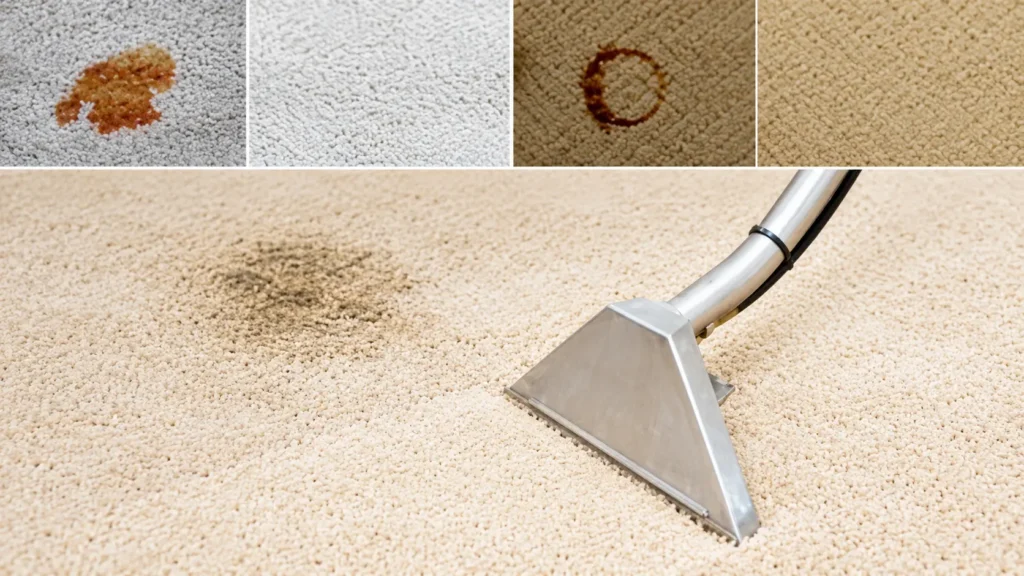
For dried accidents, rug urine cleaning depends on how far the liquid has travelled and which treatments have already been used. Urine may leave residues between the fibres or within the backing, making the stain harder to treat than a fresh surface spill.
Old pet stain removal becomes more complicated when the rug has already been treated with several household products. These attempts may leave their own residue, spread the original stain or change the appearance of the affected area.
Start by avoiding further soaking. Repeatedly wetting the same patch can spread contamination and extend drying time, particularly in rooms with limited airflow. It also makes it harder to judge the rug’s actual condition.
Notice when the smell returns. If it becomes stronger on a humid afternoon or after the rug gets damp, rug odour removal may require addressing residue beneath the surface rather than adding fragrance. Persistent smells are a reason to investigate the affected area before trying another product.
Check whether previous treatments have changed the rug’s colour or texture. For older stains, pet stain removal Sydney specialists can assess whether further cleaning is likely to improve the result, although permanent dye damage may remain.
Protecting Delicate Rugs From Damage
A pet accident on a synthetic rug is one thing; the same incident on an antique Persian, hand-knotted wool or silk rug requires greater care. These pieces may use natural dyes, intricate weaving and fibres that respond poorly to unsuitable cleaning methods.
Delicate rug cleaning starts with identifying the material and checking how it responds to moisture and cleaning solutions. A product that works on ordinary carpet may affect the colour or texture of a handmade rug.
The rug’s position also matters. A pale rug in an open-plan living room may collect muddy paw marks, food spills and everyday dust, while a rug near an entrance may accumulate sand after beach visits.
If a valuable rug becomes contaminated, blot the fresh liquid and seek advice before applying additional products. Avoid aggressive scrubbing and improvised heat treatments, which may damage certain fibres or affect the stain.
When an accident affects a valuable wool, silk or handmade rug, pet stain removal Sydney specialists can recommend an approach suited to its construction. This helps reduce the risk of using unsuitable products on delicate fibres or naturally dyed materials.
Keeping Pet-Friendly Homes Fresh
A home with pets doesn’t need to sacrifice style. Light-coloured rugs, textured wool designs and layered interiors can work well in pet-friendly households, provided their placement and maintenance suit everyday life.
A rug near a balcony door may collect damp paw prints after rain, while one beside the front entrance can pick up grit and sand. These deposits need regular vacuuming, but you shouldn’t treat them with the same products used for urine stains. Identify the soiling first, then choose a cleaning method suited to the rug’s material.
A few practical habits can make routine care easier:
- Vacuum regularly using a setting suitable for the rug’s pile and construction.
- Keep paws clean after wet walks, particularly during Sydney’s rainy periods.
- Place washable mats near entryways and food bowls.
- Check favourite sleeping spots and corners for unnoticed accidents.
- Arrange professional cleaning based on the rug’s material, condition, and level of use.
After spot cleaning, allow the affected area to dry properly before replacing furniture. If the rug remains damp or develops a musty smell, investigate rather than covering the patch.
Routine care helps maintain rugs between professional cleans, but persistent stains need a different response. If urine continues to affect the rug’s appearance or smell, pet stain removal Sydney services may be worth considering before further home treatments cause damage.
When to Book Pet Odour Removal Sydney
When an odour returns after cleaning, pet stain removal Sydney specialists can assess whether urine residue remains beneath the pile or within the backing. Persistent smells may require targeted treatment rather than another surface clean, particularly when the rug has experienced repeated accidents.
Professional pet odour removal Sydney services can help when smells persist after home cleaning, urine has penetrated the backing or repeated accidents have affected the same area.
Effective pet stain and odour treatment targets the source rather than masking it with fragrance. Depending on the rug’s material and condition, a specialist may recommend targeted stain treatment, deeper washing and controlled drying.
When requesting a quote, explain when the accident happened, whether you’ve treated the stain before, and which products you used. Photographs of the affected area and the rug as a whole can help the cleaner make an initial assessment, although an in-person inspection may still be necessary.
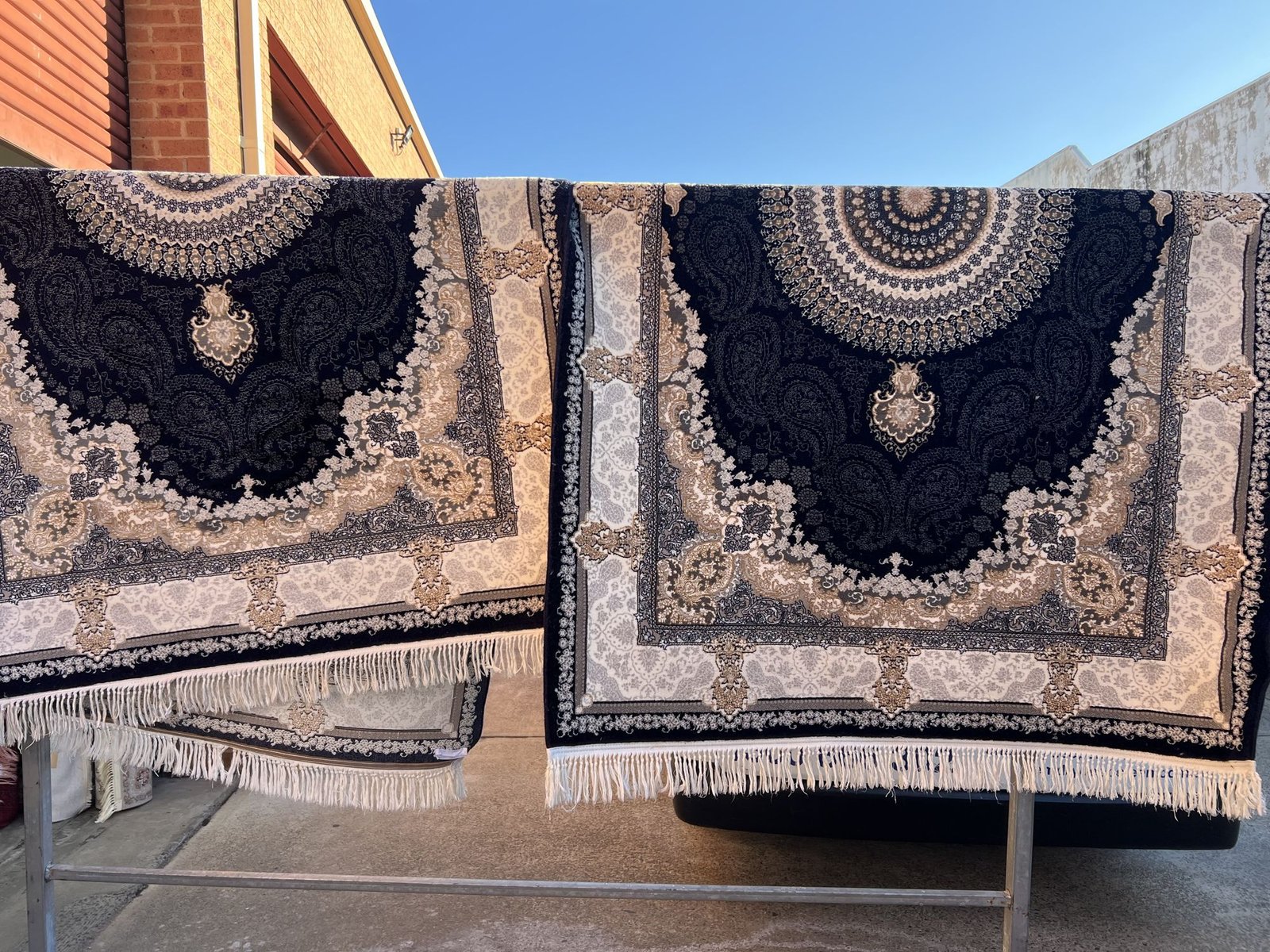
Sydney Rug Spa provides specialist rug cleaning, stain treatment and odour removal, with door-to-door pickup and delivery across Greater Sydney. Its team assesses rugs individually and selects a suitable cleaning approach for their materials and condition.
For busy households, this service also removes the difficulty of transporting a heavy rug yourself. You can send photos to request a free, no-obligation quote before deciding how to proceed.
Conclusion: Give Your Rug Proper Care
Pet accidents do not automatically mean a favourite rug is ruined. Prompt blotting can help with fresh stains, but dried urine, persistent odours and contamination beneath the pile may need specialist treatment. The right approach depends on the rug’s material, the stain’s depth, and whether previous cleaning has affected its condition.
If home treatment has not worked, contact Sydney Rug Spa for professional pet stain removal Sydney services. Send photos to request a free, no-obligation quote and arrange door-to-door pickup and delivery across Greater Sydney.
Frequently Asked Questions
1. Can pet urine permanently damage a rug?
Yes. Depending on the rug’s fibres, dyes and how long the urine remains untreated, it may cause persistent odours, alter colours or weaken the material. Prompt pet stain removal Sydney services may help limit further damage.
2. How should I clean fresh dog urine?
Blot the liquid with a clean, white cloth, working from the outside towards the centre. Avoid rubbing or soaking the rug. For delicate rugs, pet stain removal Sydney specialists can advise on suitable cleaning methods.
3. Why does my rug smell after cleaning?
Urine residue may remain within the pile or backing even when the surface looks clean. Moisture and humidity can make the smell noticeable again. Pet stain removal Sydney professionals can assess the rug and recommend appropriate treatment.
4. Can old pet stains still be removed?
Many old stains can be improved, but results depend on their age, depth, previous treatments and the rug’s material. Pet stain removal Sydney specialists can assess the stain, although permanent dye damage may prevent complete removal.
5. Are enzyme cleaners safe for wool rugs?
Not every enzyme cleaner suits wool or other delicate fibres. Check the product instructions and test an inconspicuous area first. Pet stain removal Sydney specialists can help identify a suitable approach for valuable, handmade or antique rugs.
6. How often should pet owners clean their rugs?
It depends on pet activity, foot traffic and the rug’s material. Vacuum regularly, deal with accidents promptly and arrange professional cleaning when dirt, stains or odours build up. pet stain removal Sydney services can help address persistent stains and odours when routine care is not enough.