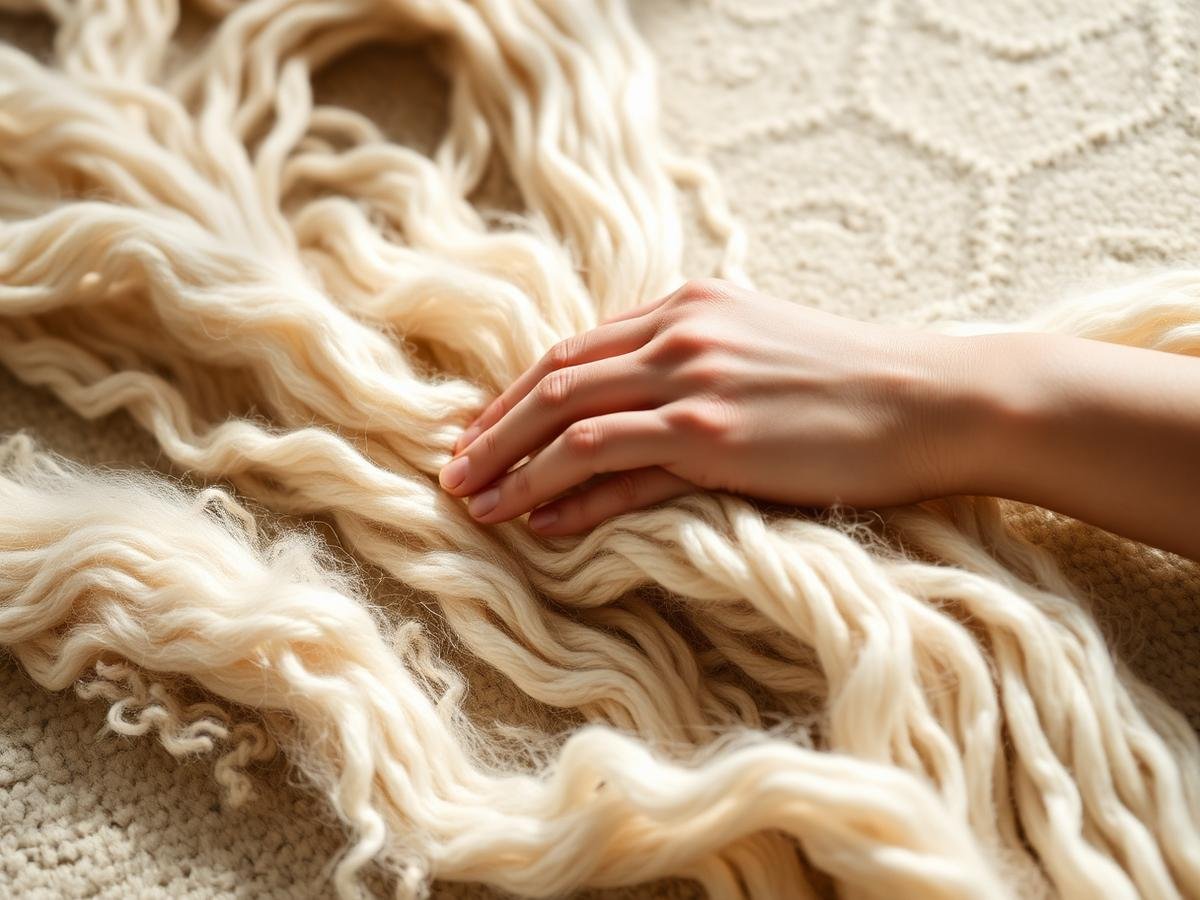
A wool rug can instantly change the mood of a room. It adds warmth beneath a minimalist sofa, softens timber flooring and gives a Sydney home a more finished feel. Wool rug cleaning Sydney needs more care than treating the rug like an ordinary washable floor covering.
Sydney living can be demanding on natural fibres. Beach sand can work into the pile, humid weather can slow drying, while pets, children, food spills and regular entertaining gradually leave their mark. Apartments, terraces, family homes, and commercial spaces can create different cleaning challenges.
Understanding the risks of DIY cleaning is essential for Sydney homeowners and business owners. Using too much water, heat, rubbing, or unsuitable products can cause fibre felting or damage. Recognizing these dangers helps you decide when routine care suffices and when professional cleaning is the safer choice.
Why Wool Rugs Need Gentle Cleaning
Wool is naturally resilient, but that does not make it immune to poor cleaning. Heat, excessive moisture and aggressive agitation can alter the fibres, potentially causing felting, distortion or texture changes.
For wool rug cleaning Sydney, consider the rug’s construction before choosing a cleaning method. A modern machine-made wool rug may respond differently from a hand-knotted Persian rug, an older Oriental piece or a wool-and-silk design.
Age matters too. A rug that has endured years of furniture pressure, sunlight, or previous cleaning may have weaker areas that aren’t immediately visible.
Before cleaning, a specialist should consider:
- fibre composition and pile
- dye stability
- backing and foundation
- fringe and edge condition
- previous repairs
- type and age of staining
This assessment helps prevent applying one aggressive method to every rug.
Sydney Homes Create Different Risks
The room around a rug can reveal a lot about its cleaning needs. A key consideration for wool rug cleaning Sydney is how the rug is actually used from one day to the next.
A coastal apartment may regularly receive fine sand after beach trips. An older terrace with limited airflow can make drying a large rug difficult. A suburban family home may have children, pets and frequent entertaining, creating concentrated wear around sofas and dining areas.
Commercial interiors bring another set of pressures. Boutique offices, reception spaces and hospitality venues can expose rugs to repeated foot traffic throughout the working week.
Cleaning frequency should therefore reflect the rug’s environment. A decorative piece in a quiet bedroom does not face the same conditions as one beneath a dining table or beside a busy entrance.
Professional wool rug cleaning Services Matter
A rug can look reasonably clean while still holding fine soil between its fibres. Regular vacuuming removes surface debris, but it cannot always reach everything that has settled deeper into the pile.
When routine care no longer keeps pace with the rug’s condition, professional wool rug cleaning can be useful when routine care no longer keeps pace with the rug’s condition. For wool rug cleaning Sydney, professional treatment should focus on controlled cleaning rather than simply using stronger products.
It may be worth arranging professional treatment when you notice:
- persistent dullness despite vacuuming
- old food or drink marks
- pet-related odours
- heavily walked pathways
- accumulated soil around furniture
- staining that keeps returning
The cleaning process should suit the rug, not the other way around. That matters even more when the piece is handmade, valuable, or difficult to replace.
Wool Rug Washing Sydney Needs Control
The phrase wool rug washing Sydney makes the process sound simple, but wool does not behave like a synthetic bath mat.
Sydney homeowners need to manage water carefully to feel confident in their cleaning. Excess moisture can travel into the backing and take longer to dry, especially inside apartments with restricted airflow. For wool rug cleaning Sydney, you also need to consider heat, agitation, and drying conditions together.
| Cleaning factor | Potential problem | What careful cleaning considers |
| Moisture | Slow or uneven drying | Water volume and extraction |
| Heat | Fibre or colour changes | Suitable temperature |
| Agitation | Texture or fibre damage | Construction and condition |
| Dyes | Colour migration | Stability testing |
| Backing | Distortion or tension | Material and drying conditions |
| Drying | Shape changes | Even, controlled drying |
Two rugs of the same size can therefore need completely different treatment because their fibres, dyes and construction are not identical.
Wool Rug Stain Removal Starts Early
A fresh spill does not always require complicated treatment, but it does need the right response. With wool rug stain removal, vigorous rubbing can push liquid further into the pile or spread the affected area.
For wool rug cleaning Sydney, your first response should match the spill. Blot excess liquid with a clean absorbent cloth rather than scrubbing, and avoid flooding the rug while trying to remove the mark.
The substance matters too. Coffee, wine, grease, ink and pet accidents can behave differently. A stain already treated with several household products may be even harder to assess.
This is common in open-plan Sydney homes where rugs sit close to dining areas, kitchens and entertaining spaces. If a stain is extensive, old or changing the colour of the fibres, professional treatment is safer than repeatedly applying household cleaners.
Natural Fibre Rug Cleaning Needs Assessment
Natural fibre rug cleaning is not a single process because natural materials respond differently to moisture, friction and cleaning products.
For wool rug cleaning Sydney, even two wool rugs may require different treatment. A hand-knotted piece can contain natural dyes and a delicate foundation, while a newer rug may have a more uniform construction. Silk blends introduce another consideration because silk fibres can need different handling.
Lifestyle also changes the cleaning requirement. A young professional living alone may have limited foot traffic but still bring dust and grit indoors through an open balcony door. A family with children and pets may create frequent spills and concentrated wear.
The rug’s placement matters, too. A bedroom rug generally faces less stress than one beneath a dining table or beside a kitchen island.

Wool Rug Deep Cleaning Should Be Targeted
Deep cleaning sounds automatically better, but wool rug deep cleaning should have a clear purpose. The aim is to remove accumulated soil without exposing the rug to unnecessary treatment.
Consider a rug beneath a dining table. Small food particles can settle into the pile, while chair movement repeatedly compresses the same areas. A rug in a quiet guest room may have a completely different soil pattern.
Pets create another situation. Even without an obvious accident, repeated contact can contribute to odours and contamination that surface vacuuming does not fully address.
For wool rug cleaning Sydney, a professional assessment can determine whether the whole rug needs deeper treatment or whether particular areas require attention. That is more sensible than automatically choosing the most intensive cleaning option.
Handmade wool rug cleaning Needs Skill
A handmade rug deserves attention beyond its visible pile. Handmade wool rug cleaning can involve older dyes, hand-formed knots, repaired sections, delicate fringes and foundations that have naturally changed over time.
For wool rug cleaning Sydney, these details matter because a loose edge or previous repair may respond differently when you introduce moisture and movement.
This is especially true for Persian and Oriental rugs passed down through a family or purchased as investment pieces. Their value is not limited to how clean the surface looks.
A wool rug cleaning specialist should therefore examine the rug before deciding how to treat it. Careful handling is part of protecting the piece, not something added after cleaning.
Protect Your Rug Between Cleans
Good wool rug care Sydney starts with simple habits that reduce the amount of grit and contamination reaching the pile. Regular wool rug maintenance can help keep those everyday problems under control, particularly in busy households
For wool rug cleaning Sydney, regular care should reflect where the rug sits and how much traffic it receives. Vacuum using settings appropriate to the construction, rotate the rug when furniture creates uneven wear and avoid dragging heavy pieces across its surface.
Pay attention to entrances, dining tables and sofas. These areas often collect grit, food particles and compressed fibres faster than quieter parts of the room.
Coastal homes deserve particular attention because fine beach sand can settle deep into the pile and become abrasive under repeated footsteps. In high-rise apartments, professional care can also be more practical because large rugs are difficult to wash and dry at home.
When Your Rug Needs Specialist Care
A rug with heavy staining, persistent odours, colour concerns, visible distortion or extensive soiling has moved beyond basic household maintenance. At that stage, wool rug cleaning Sydney is better handled by people who can assess the rug before choosing a treatment.
When choosing a professional cleaning service, it is also worth understanding your consumer rights. The Australian Competition and Consumer Commission (ACCC) provides guidance on consumer guarantees for services, including requirements around due care and skill.
Sydney Rug Spa combines advanced rug-washing technology with skilled hand craftsmanship for Persian, Oriental, wool and silk rugs. Its collection and delivery service across Sydney also makes professional care easier when a large rug is difficult to transport.
The benefit is not simply convenience. The rug’s material, construction, condition and previous history can all be considered before cleaning begins. That is especially valuable when the piece is handmade, antique, or personally significant.
Keep Your Wool Rug In Better Condition
Protecting a wool rug is less about aggressive cleaning and more about understanding its material, construction, environment, and everyday use. Wool rug cleaning Sydney should focus on careful stain treatment, sensible maintenance and controlled professional cleaning to help preserve the rug’s texture, colour and shape.
Contact Sydney Rug Spa when your rug needs more than routine home care. With collection and delivery across Sydney, the team can assess and professionally clean your rug while giving its condition and construction the attention they require.
Frequently Asked Questions
1. Can wool rugs shrink during cleaning?
Yes. Wool rug cleaning Sydney can help reduce shrinkage risks by carefully controlling moisture, heat, and mechanical action. Construction and condition also matter, especially with valuable or older rugs.
2. Is steam cleaning safe for wool rugs?
Not automatically. Heat and moisture levels need to suit the specific rug. With wool rug cleaning Sydney, a delicate handmade or older rug may require a different approach from a newer wool floor covering.
3. What should I do after spilling wine?
Blot excess liquid without rubbing the pile. For wool rug cleaning Sydney, avoid soaking the area or applying several household products, particularly if the stain spreads or changes colour.
4. How often should a wool rug be cleaned?
There is no universal schedule. A rug used daily by children, pets, or frequent visitors usually needs more attention than one in a quiet bedroom. wool rug cleaning Sydney should reflect the rug’s actual use and condition.
5. Why can wool rugs smell after getting wet?
Moisture can remain in the pile or backing when a rug does not dry properly. With wool rug cleaning Sydney, controlled drying is important, particularly in apartments or enclosed rooms with limited airflow.
6. Can old Persian rugs be professionally cleaned?
Yes, but professionals should assess them before treatment. Wool rug cleaning Sydney for older Persian rugs requires consideration of age, dyes, previous repairs, foundation condition and fibre strength before selecting a cleaning and drying method.