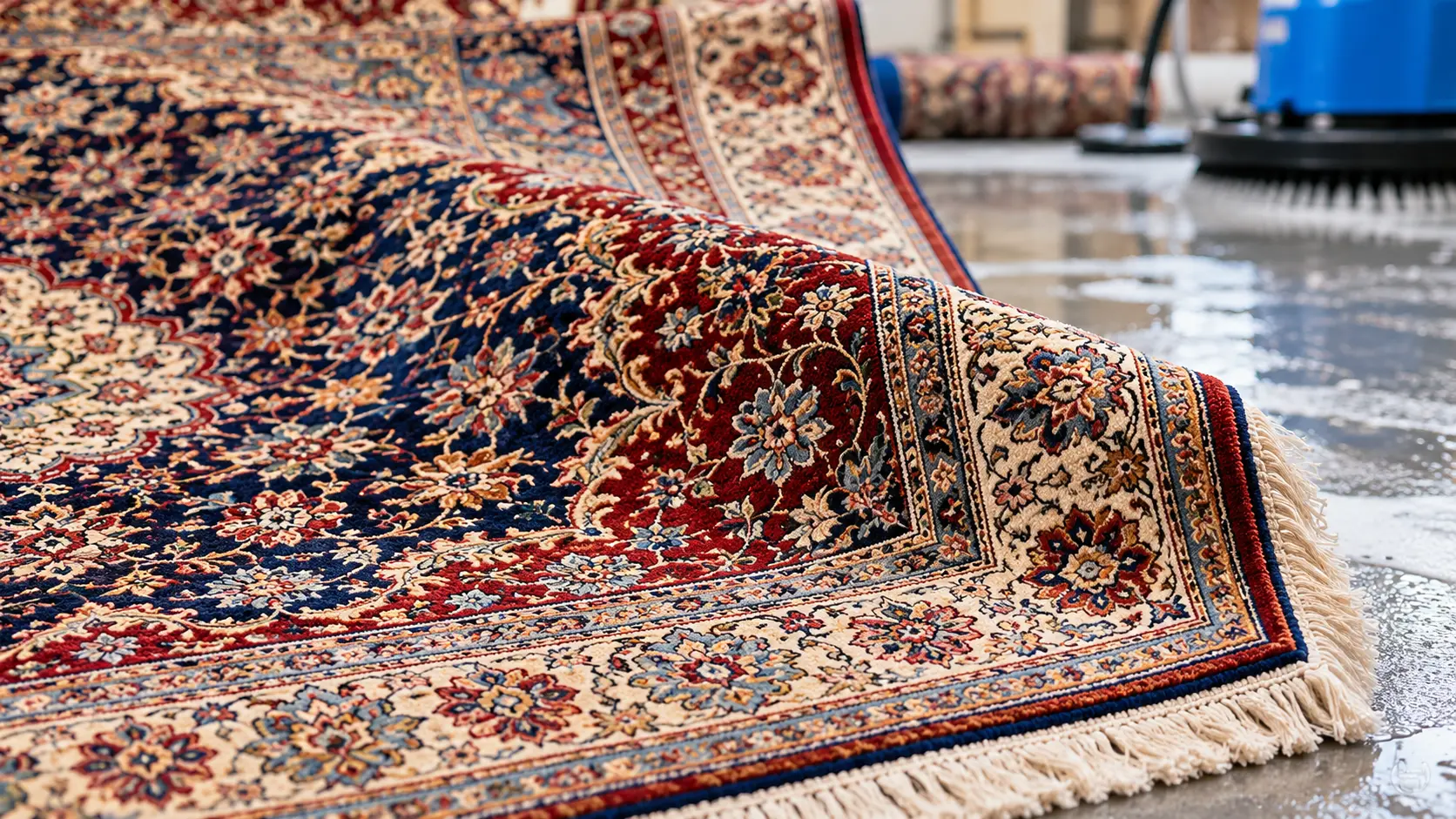
A small spill can seem harmless until the colour spreads or the pile starts to feel rough. Iranian Carpet Cleaning requires an understanding of the rug’s fibres, dyes, and construction before choosing a cleaning method. What works on an ordinary floor covering may not suit a handmade rug.
Persian and Iranian rugs often contain details that need careful handling, from hand-knotted wool to silk highlights and decorative fringes. Age and previous repairs matter, too. A rug may look sound on the surface while its edges or foundation have become fragile through years of use.
In Sydney homes, rugs collect grit from shoes, dust from open doors and everyday marks from food, pets and foot traffic. Regular vacuuming helps, but it cannot solve every problem. Knowing when to clean a mark at home; and when to leave it to a specialist; can prevent an inexpensive spill from becoming costly damage.
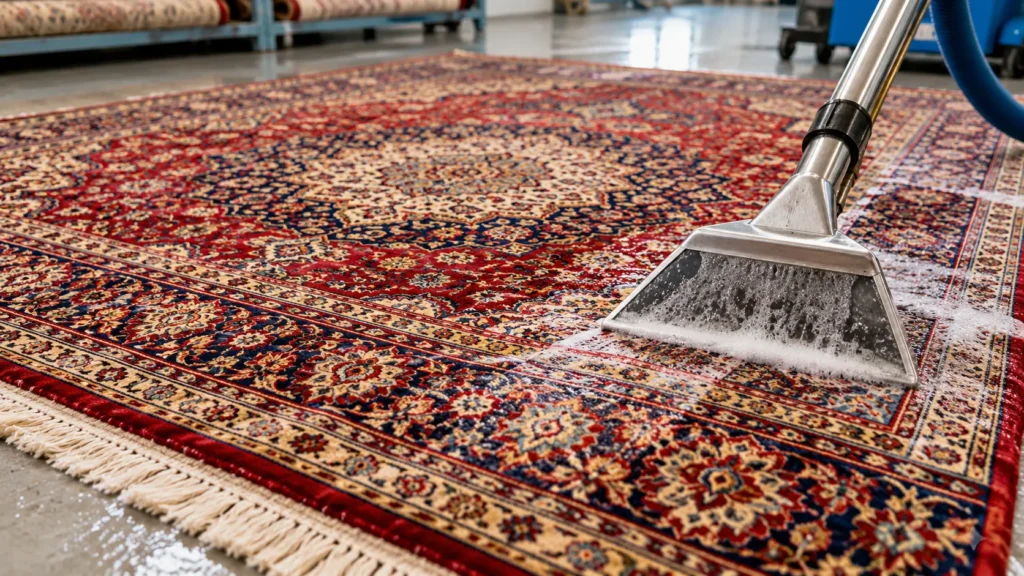
Why Iranian Carpet Cleaning Needs Skill
Two rugs can have similar patterns but respond very differently to cleaning. Fibre type, dye stability, knotting, age and previous repairs all influence the treatment they can tolerate. Iranian Carpet Cleaning should begin with an inspection rather than an automatic choice of products or equipment.
Wool can hold fine soil deep in its pile. Silk details may be more vulnerable to friction, while some dyes can release colour when exposed to unsuitable products or excess moisture. Fringe and edging may also need separate attention if threads have loosened or worn thin.
A proper assessment looks beyond visible stains. The cleaner should check for colour movement, weak areas, repairs and signs of previous water damage. These details help determine what can be cleaned safely and what needs separate treatment. Removing dirt is important, but not at the expense of the rug’s structure or original appearance.
DIY Mistakes That Damage Persian Rugs
Household carpet products are not automatically suitable for handmade rugs. Some contain ingredients that may affect dyes, while others leave residue in the pile. Scrubbing can spread a stain and roughen fibres, making a small mark more noticeable. Before using a cleaning product, check the rug’s care instructions and follow relevant guidance on caring for textiles from the NSW Government.
| DIY cleaning method | Potential damage | Safer approach |
| Scrubbing a spill | Can spread the stain and damage rug fibres | Blot gently with a clean, absorbent cloth |
| Using household stain removers | May affect dyes or leave residue | Check the rug’s material before applying a product |
| Soaking the rug | Can leave moisture trapped in the foundation | Avoid saturating the rug |
| Using direct heat to dry it | May affect fibres and fade colours | Allow suitable airflow and avoid direct heat |
| Pulling loose fringe threads | Can worsen damage along the edges | Leave fragile fringes untouched until assessed |
For a fresh spill, lift away solid material carefully and blot the liquid without rubbing. Work from the outside of the mark towards the centre to limit spreading. Do not mix cleaning products or keep adding water if the stain does not improve.
These are immediate-care steps, not a substitute for a full clean. If the rug is valuable, has unstable colours or contains delicate fibres, stop before experimenting further. Iranian Carpet Cleaning by an experienced specialist can help determine the next step without exposing the rug to unnecessary treatment.
When Persian Carpet Cleaning Sydney Helps
A rug may need attention even when it does not look particularly dirty. Fine grit can settle between the fibres, and repeated foot traffic can press it deeper into the pile. may be worth considering when vacuuming no longer removes the dull appearance or the rug feels gritty underfoot.
Spills also need timely attention. Coffee, wine, oily food and pet accidents behave differently, so one cleaning solution will not work equally well on every mark. The wrong product can complicate later treatment, especially if it changes the colour or leaves a sticky residue.
Think about where the rug sits in your home. An entryway rug may collect more grit than one in a spare bedroom, while a rug beneath a dining table faces regular food spills. Plan Iranian carpet cleaning around the rug’s condition, use, and material rather than a rigid schedule.
How Oriental Carpet Cleaning Protects Fibres
Oriental carpet cleaning isn’t a one-size-fits-all treatment. Oriental rugs can differ in fibre, weave, dye and condition, so a cleaner needs to identify the material and inspect the surface before deciding how to remove embedded soil.
Cleaning is only part of the process. Moisture needs to be managed, and the rug must dry thoroughly under suitable conditions. Poor drying can leave unpleasant odours or affect the rug’s shape. Fragile edges and fringes may also require extra care rather than being treated like the main pile.
Before booking, ask the cleaner to explain the proposed method and how it suits your particular rug. A useful answer should cover inspection, stain treatment and drying—not simply promise a deep clean. Iranian Carpet Cleaning should be based on the condition of the item in front of the cleaner, not a standard process applied to every rug.
Why Handmade Carpet Cleaning Needs Care
Handmade carpet cleaning involves details that can be easy to overlook. Hand-knotted rugs may have natural fibres, varied dye responses and areas that have worn at different rates. A cleaner needs to recognise these differences before choosing products or applying mechanical action. Persian rug cleaning also requires attention to knot construction, dye stability and the condition of the fibres before a suitable treatment is selected.
Pay particular attention to:
- Silk details: Delicate fibres may be vulnerable to abrasion and unsuitable cleaning agents.
- Fringes and edges: Loose threads can unravel if they are pulled or scrubbed.
- Previous repairs: Repaired sections may respond differently from the original rug.
- Natural dyes: Assess colour stability before wet treatment.
If you are looking for delicate rug cleaning Sydney, ask how the provider assesses fragile fibres and colour stability. The word “gentle” alone does not tell you what will happen during cleaning. The provider should explain the proposed treatment and flag any areas where the result may be limited.
A rug with a worn edge or an old repair may need attention beyond washing. Iranian Carpet Cleaning should address these issues before work begins, so cleaning doesn’t worsen damage that could have been identified during inspection.
How Wool Carpet Cleaning Protects Rugs
Wool is durable, but it is not immune to dirt, staining or residue. Wool carpet cleaning needs to account for the pile and the amount of soil present. Too much cleaning product can remain between fibres, leaving the rug feeling stiff or allowing dirt to cling again.
For routine care, vacuum regularly and pay attention to high-traffic areas. If the rug’s care instructions allow it, occasional rotation can help reduce uneven wear and sunlight exposure. Avoid aggressive brushing on a fragile or high-pile rug unless the manufacturer recommends it.
A smell that returns after airing, a stain that reappears or dirt that remains after vacuuming may point to a deeper problem. Repeatedly treating the surface may not address the cause. Iranian Carpet Cleaning can help assess whether the issue involves embedded soil, residue or a stain that needs a more specific treatment.
When Antique Carpet Cleaning Is Needed
Older rugs can show faded colours, worn knots, repaired sections and weakened fringes. These signs do not automatically rule out cleaning, but they make an assessment especially important. Antique carpet cleaning should consider the rug’s stability before any washing begins.
Avoid bleach, abrasive powders and strong household stain removers. They may alter the colour or weaken already fragile fibres. If a rug is damp or smells musty, do not roll it up and store it away before assessing the cause.
Tell the cleaner about previous spills, repairs and any products you have already used. This information helps them understand what they are dealing with and avoid repeating treatments that may have caused problems. Iranian Carpet Cleaning should also involve an honest discussion of what cleaning may improve and what permanent staining, fading or wear may remain.
Choosing Specialist Carpet Cleaning Services
Not every company that cleans fitted carpets has the same experience with handmade rugs. When comparing specialist carpet cleaning services, look for a provider that can explain how it assesses individual rugs and adapts its process to their materials and condition.
Before arranging professional rug cleaning Sydney, ask:
- Will the rug be inspected for fibre type, dye stability, wear and repairs?
- How is the cleaning method selected for the individual item?
- What precautions do you take with fragile fringes and edges?
- How is moisture managed during drying?
- Will they discuss potential risks and limitations before cleaning?
Check what the quote covers. Collection, delivery, stain treatment and repair recommendations may be handled separately, so clarify these details before agreeing to the work. A lower price isn’t necessarily better value if the service doesn’t address the rug’s actual needs.
Ask about relevant experience with rugs similar to yours, particularly if yours contains silk, has antique features or has been repaired. Iranian Carpet Cleaning should come with clear explanations rather than guarantees that every stain will disappear or every rug will respond in the same way.
Keep Your Iranian Rugs Looking Beautiful
Regular vacuuming, prompt blotting and sensible placement can help maintain a rug between professional cleans. Deep-set soil, difficult stains, fragile fibres and old repairs need a different level of attention. Iranian Carpet Cleaning should improve cleanliness while respecting the materials, construction and condition that give each rug its character.
If your rug has a persistent stain, has lost its freshness or needs careful attention because of its age or construction, contact Sydney Rug Spa to discuss suitable care. Describe the material, the problem and any previous cleaning attempts so the team can assess what may be appropriate.
Frequently Asked Questions
1. How often should Iranian rugs be cleaned?
Iranian Carpet Cleaning frequency depends on foot traffic, pets and household dust. Vacuum regularly and arrange professional cleaning when dirt, dullness or persistent odours remain, taking the rug’s material and condition into account.
2. Can DIY cleaning damage a Persian rug?
Yes, DIY cleaning can damage a Persian rug through scrubbing, unsuitable products, excess water or poor drying. Iranian Carpet Cleaning specialists can assess delicate fibres and dyes before choosing an appropriate treatment for the rug.
3. Is Iranian rug cleaning Sydney suitable for silk rugs?
Iranian rug cleaning Sydney services may suit silk rugs when the provider has relevant experience. Iranian Carpet Cleaning requires careful assessment because silk can be sensitive to friction, moisture and unsuitable cleaning agents.
4. Can professional cleaning remove old rug stains?
Iranian Carpet Cleaning may improve some old stains, but results depend on the substance, its age and previous treatments. A specialist should assess the mark and explain realistic outcomes before beginning the cleaning process.
5. Does Persian carpet cleaning Sydney include fringe care?
Persian carpet cleaning Sydney may include fringe care, depending on the service and rug condition. Iranian Carpet Cleaning specialists should inspect loose or fragile threads and explain whether separate repairs are needed before cleaning.
6. How should I prepare a rug for cleaning?
Before Iranian Carpet Cleaning, explain any spills, odours, repairs and products already used. Move small furniture if practical, avoid applying further treatments, and point out fragile areas that need inspection before collection.