Picture this. You’ve just hosted a Friday night dinner in your Surry Hills apartment, someone gestures a little too enthusiastically with a glass of red, and your beautiful Turkish rug takes the hit. Your stomach drops. The rug cost real money, it came with a story, and it’s the one thing in the room that makes the whole place feel finished.
Here’s the good news: most of these moments are fixable, as long as you know what to do and what to avoid. I’ve seen plenty of rugs rescued and, sadly, a few ruined by well-meaning DIY. This guide walks you through everything about Turkish rug cleaning in Sydney, from how these rugs are made to how you protect those gorgeous patterns and colours for decades.
What Makes a Turkish Rug So Different From Other Rugs?
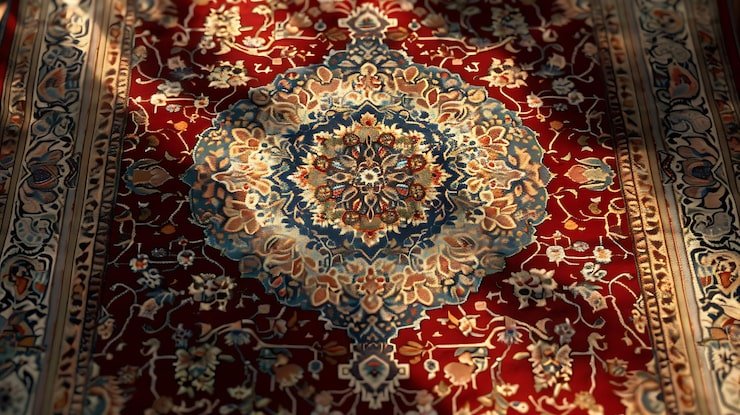
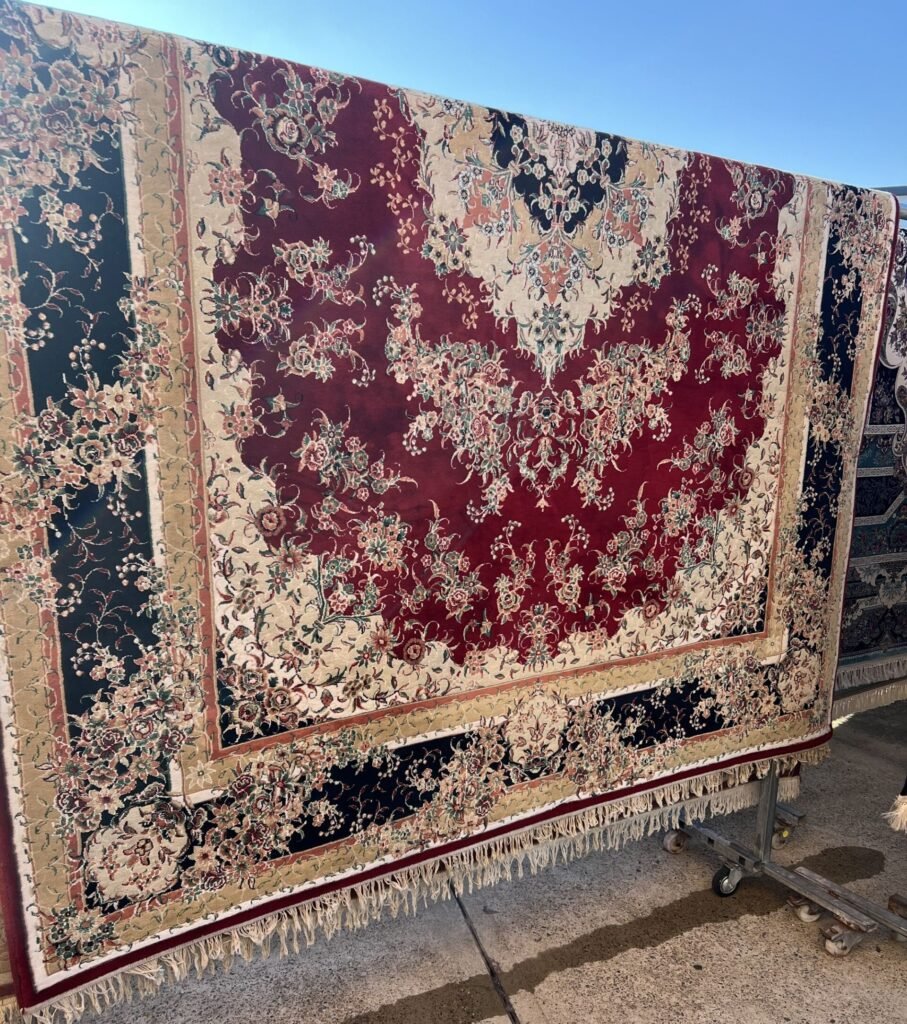
A Turkish rug isn’t a mass-produced floor covering. It’s a handmade textile, usually knotted from wool, cotton or silk, and often coloured with dyes that have been used in Anatolia for centuries. Think deep madder reds, indigo blues and warm weld yellows. Regional styles like Hereke, Oushak, Kayseri and Konya each have their own motifs, and every medallion, border and tiny symbol was placed by a human hand.
That’s exactly why Turkish rug cleaning is a different job from cleaning a standard synthetic rug. The knots, the fibre and the dyes all react to water, heat and chemicals differently. Turkish weavers traditionally use a symmetrical double knot, which makes the rug tough and long-lasting, but tough doesn’t mean indestructible. A harsh detergent or an overheated wash can fade a pattern in a single go.
Think of your rug like a good leather jacket or a wool suit. You wouldn’t throw either into a hot wash with bleach, and the same logic applies here. Proper Turkish carpet cleaning respects the material first and the dirt second.
Why Turkish Rug Cleaning Sydney Style Needs Its Own Game Plan
Sydney is wonderful for a lot of things, but it’s not always kind to wool rugs. Our humidity, especially through summer, can trap moisture in the pile and invite mould or a musty smell if a rug stays damp. Coastal suburbs like Manly, Bondi and Cronulla add salt-laden air to the mix, which can leave a sticky residue that attracts dust. And that strong Australian sun streaming through big windows? It’s brilliant for your mood and brutal for natural dyes.
If you want a rough idea of how local conditions shift through the year, the Bureau of Meteorology’s climate information is a handy place to check Sydney’s humidity and temperature patterns. Knowing when the damp season arrives helps you plan when to clean, air and rotate your rug so moisture never gets a chance to settle in.
This is why Turkish rug cleaning Sydney residents rely on should account for local conditions, not just the rug itself. A method that works in a dry inland climate may not dry fast enough here, and slow drying is where wool starts to cause trouble.
What Is Turkish Rug Cleaning, Exactly?
Let me give you the straight answer, because it’s a question people ask me constantly. Turkish rug cleaning is the specialist process of removing dust, soil, stains and odours from a handwoven Turkish rug using gentle, pH-balanced products and controlled techniques that protect the fibres, knots and natural dyes. It usually includes dust extraction, testing for colour fastness, a careful wash, thorough rinsing and slow, controlled drying.
How is that different from regular carpet cleaning? A standard machine clean is built for wall-to-wall carpet. It uses heavy suction, a lot of heat and sometimes strong chemicals. That combination can swell the wool, loosen the foundation of a handmade rug and push dye from one part of the pattern into another. Professional Turkish rug cleaning avoids all of that by treating the rug as the textile art it is.
How Professional Turkish Rug Cleaning Protects Your Patterns and Colours
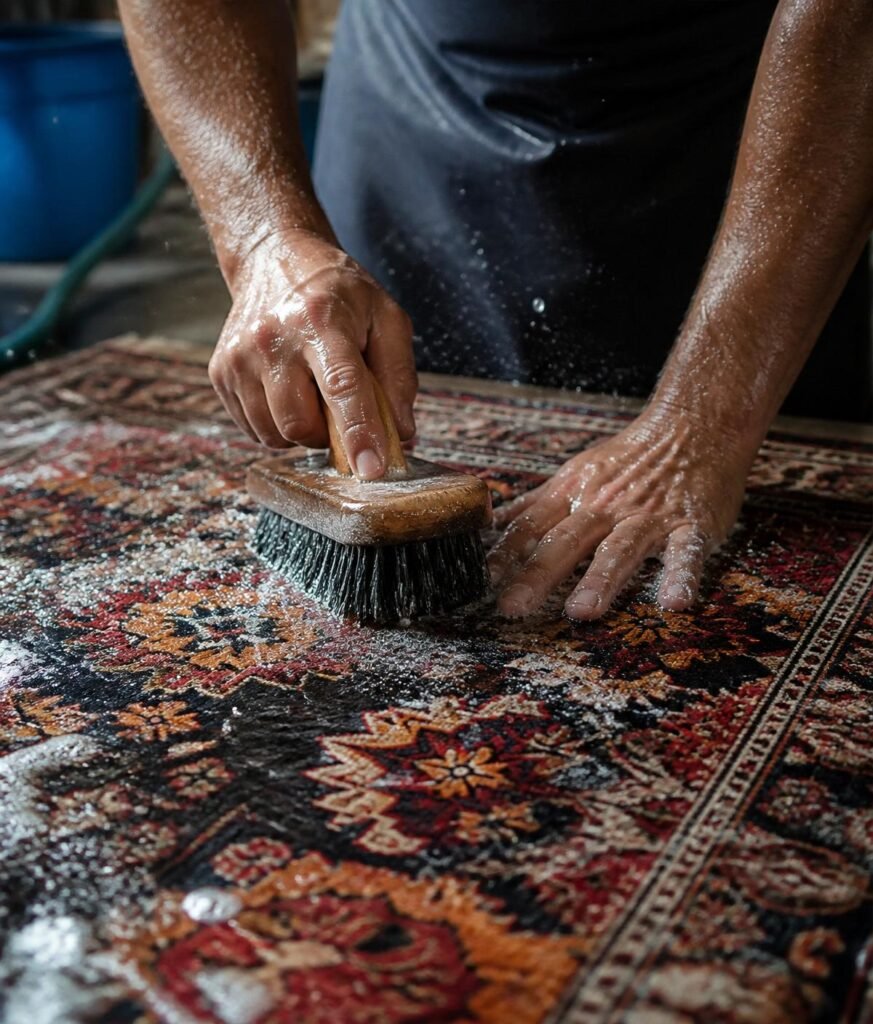
A good clean isn’t about scrubbing harder. It’s about doing the right steps in the right order, and that’s what separates professional Turkish rug cleaning services from a quick steam pass. Here’s the process we follow at Sydney Rug Spa, because seeing it laid out makes it easier to judge any provider you’re considering.
- Inspection and documentation. We check the fibre, the knots, the fringes, any previous repairs and existing stains before we touch anything.
- Dry soil removal. Rugs hold a surprising amount of grit deep in the foundation. Removing it first stops it turning into mud once water is introduced.
- Colour fastness testing. We test the dyes in a hidden area. If a red or blue is likely to run, we adjust the method before washing.
- Gentle wash with neutral cleaners. Soft, pH-balanced products lift soil without stripping natural oils from the wool.
- Thorough rinse. Leftover soap attracts dirt, so rinsing properly is non-negotiable.
- Controlled drying. Slow, even drying prevents browning, mould and distortion of the shape.
- Grooming and finishing. The pile is brushed in the right direction so the rug sits flat and the pattern looks crisp.
Each step protects something specific. Testing protects the colours, the soft wash protects the wool, and slow drying protects the structure. Skip one and the whole result suffers. That layered care is what makes Turkish rug deep cleaning worth paying for, since it reaches the grit near the base that surface vacuuming never touches.
Turkish Rug Stain Removal: What to Do in the First Ten Minutes
Back to that red wine moment. The first ten minutes decide almost everything. Blot, don’t rub. Rubbing pushes the stain deeper and frays the fibres, while blotting with a clean white cloth lifts liquid upward. Work from the outside of the spill towards the centre so it doesn’t spread, and use cool water sparingly if you need to dilute it.
What should you avoid? Hot water, bleach, vinegar mixes from the internet and any “miracle” spray from the supermarket aisle. Hot water can set protein stains like milk or blood, and bleach will happily strip colour from a century-old design in seconds. I’ve watched a rug lose a perfect indigo border to a quick home remedy, and no apology fixes that.
For anything more stubborn than a small, fresh spill, professional Turkish rug stain removal is the safer bet. Pet accidents, old tea stains and grease all need specific treatments depending on the dye and fibre. If you blot the area and call us quickly, the odds of full removal go up dramatically.
Washing, Spot Cleaning and Deep Cleaning: Which One Does Your Rug Need?
Not every rug needs the full treatment every time. Choosing the right level of service saves money and protects your rug from unnecessary handling. The table below breaks it down in plain terms.
| Service | Best for | How often | What it does |
| Spot cleaning | Fresh spills and small marks | As needed | Treats one area without washing the whole rug |
| Turkish rug washing | Rugs with general soil, dull colours or odours | Every 1 to 3 years | Full wash and rinse to restore brightness and freshness |
| Turkish rug deep cleaning | Heavily used rugs, pet households, old stains | Every 2 to 3 years or when needed | Dust extraction plus intensive wash to clear embedded grit |
| Turkish rug restoration | Damaged fringes, worn edges, moth or water damage | When damage appears | Repairs and rebuilds structure and appearance |
A simple rule of thumb: a rug in a bedroom or a rarely used lounge can go longer between washes, while a rug in a busy hallway or a home with pets and kids should be checked more often. When in doubt, ask for an assessment. A good provider will tell you honestly if a full clean isn’t needed yet.
Everyday Turkish Rug Care and Maintenance That Actually Works
Here’s the thing about Turkish rug care and maintenance: the best clean is the one you rarely need, because daily habits are doing the quiet work. These are the habits I recommend to almost every client, and they take less effort than you’d think.
- Vacuum gently and regularly. Use suction only, or turn off the beater bar, and go with the direction of the pile. Never vacuum the fringes.
- Rotate every six months. This evens out foot traffic and sunlight so one side doesn’t fade faster than the other.
- Use a quality rug underlay. It reduces friction, prevents slipping and cushions the knots from heavy footfall.
- Manage sunlight. Use curtains, sheers or UV film on windows during peak summer hours to protect natural dyes.
- Take shoes off at the door. It sounds basic, but grit is the number one enemy of wool.
- Air it out. On a dry, breezy day, hang the rug in the shade to freshen up, away from damp ground.
- Keep furniture legs padded. Use coasters or pads so heavy pieces don’t crush the pile permanently.
None of this is complicated, and together these habits can add years between professional visits. Good Turkish rug care and maintenance is mostly consistency, not hard work.
Moths, Mould and Sun: The Three Quiet Villains
Most rug damage doesn’t arrive with a bang. It sneaks in. Moths love untouched wool, especially rugs rolled up in a cupboard or sitting under a heavy sofa for years. Regular vacuuming and occasional moving of furniture keeps them uncomfortable, and if you store a rug, have it cleaned first and wrap it in breathable cotton, not plastic.
Mould is Sydney’s other sneaky issue. If a rug gets wet, from a leak, a pot plant or a flooded laundry, don’t wait. Dry it quickly and call a professional, because wool that stays damp for more than a day or two can develop mildew that’s much harder to treat later.
Then there’s the sun, which fades dyes slowly enough that you don’t notice until it’s too late. If one half of your rug looks brighter than the other, compare them near a window. Rotating and filtering light is far cheaper than repairing a faded pattern.

When Turkish Rug Restoration Makes Sense
Sometimes a rug needs more than a clean. Frayed fringes, worn edges, small holes, moth damage or old water marks can all be repaired, and that’s where Turkish rug restoration comes in. A skilled restorer re-knots missing sections, reinforces edges and rebuilds fringes so the rug is stable again, often blending repairs so well you’d struggle to find them.
The key is acting early. A small edge tear is a quick fix, but left alone it can unravel into a major repair bill. If you’ve inherited a rug from a grandparent or brought one back from a trip to Istanbul, a restoration assessment is well worth it. These pieces often hold sentimental value that no price tag captures, and a bit of timely care preserves both the rug and the story attached to it.
Restoration and cleaning often work as a pair. We typically clean first, so the repair work happens on fresh, stable fibres and the new sections match the rest of the rug more naturally.
How to Choose Professional Turkish Rug Cleaning Services in Sydney
Not every cleaner is equipped for handmade rugs, so a few questions go a long way. Ask whether they test for colour fastness, whether they wash by hand or with rug-specific equipment, and how they dry the rug. If the answer to the last one is “we use a hot steam machine,” keep looking.
Ask, too, about experience with Turkish carpet cleaning in particular. Silk blends, Oushak rugs with softer natural dyes and tightly knotted Hereke pieces all behave differently. A provider who handles these regularly will talk confidently about fibres and dyes, not just “carpet.” Reviews, clear pricing and a straightforward pickup and delivery process are also good signs.
At Sydney Rug Spa, we treat each rug as a one-off piece. We inspect it, explain what we find in plain language and recommend only what the rug actually needs. That approach is what good Turkish rug cleaning services should look like: honest, careful and tailored. If you’re searching for Turkish rug cleaning in Sydney, you deserve a team that treats your rug like an heirloom, not just another job on the schedule.
Conclusion
Protecting a Turkish rug comes down to a few simple ideas. These rugs are handmade textiles with natural dyes, so they need gentle, specialist handling. Sydney’s humidity, coastal air and strong sun make smart care even more important. Regular vacuuming, rotation and sun control keep your rug in great shape between visits, quick blotting saves you from stain disasters, and a professional clean every one to three years protects the patterns and colours you love. Whether you need Turkish rug washing, deep cleaning or restoration, the right approach keeps your rug beautiful for generations.
If your rug is looking tired, has taken a hit from a spill, or you simply want peace of mind, reach out to Sydney Rug Spa today. Our team offers expert Turkish rug cleaning Sydney homes can trust, with honest advice and careful, results-driven service. Call us or send an enquiry to book your assessment, and let’s give your rug the care it deserves.
Frequently Asked Questions About Turkish Rug Cleaning
1. How often should I schedule Turkish rug cleaning in Sydney?
Most Turkish rugs in a typical Sydney home benefit from a professional clean every one to three years, depending on foot traffic, pets and how close you live to the coast. A rug in a busy hallway may need attention more often, while one in a spare room can go longer. If you notice dullness, odours or a gritty feel when you run your hand across it, that’s your sign it’s time.
2. Can I clean a Turkish rug at home?
You can handle light maintenance at home, such as gentle vacuuming, blotting fresh spills and airing the rug out. A full wash is a different story. Handmade Turkish rugs can bleed dye, shrink or warp if they’re washed in the wrong conditions, so professional Turkish rug washing is the safer choice for anything beyond surface care.
3. Will professional Turkish rug cleaning fade the colours?
It shouldn’t. A reputable specialist tests the dyes first, uses neutral cleaning products and rinses thoroughly. Done properly, professional Turkish rug cleaning often makes colours look richer because it removes the dull layer of soil that was hiding them. Fading usually comes from harsh chemicals, hot water or too much sun, not from a careful professional wash.
4. How do I remove a stain from a Turkish rug without damaging it?
Act fast and blot gently with a clean white cloth, working from the outside of the stain inward. Use only a little cool water, and avoid rubbing, hot water and bleach. For wine, pet urine, oil or anything that has already dried, book a professional for Turkish rug stain removal so the fibres and dyes stay protected.
5. What is the difference between Turkish rug cleaning and Turkish rug restoration?
Cleaning removes dirt, odours and stains to refresh the rug, while restoration repairs physical damage like torn edges, missing knots, worn fringes or moth holes. Many rugs benefit from both. We usually clean first so the repair work sits on stable, fresh fibres and blends in better.