
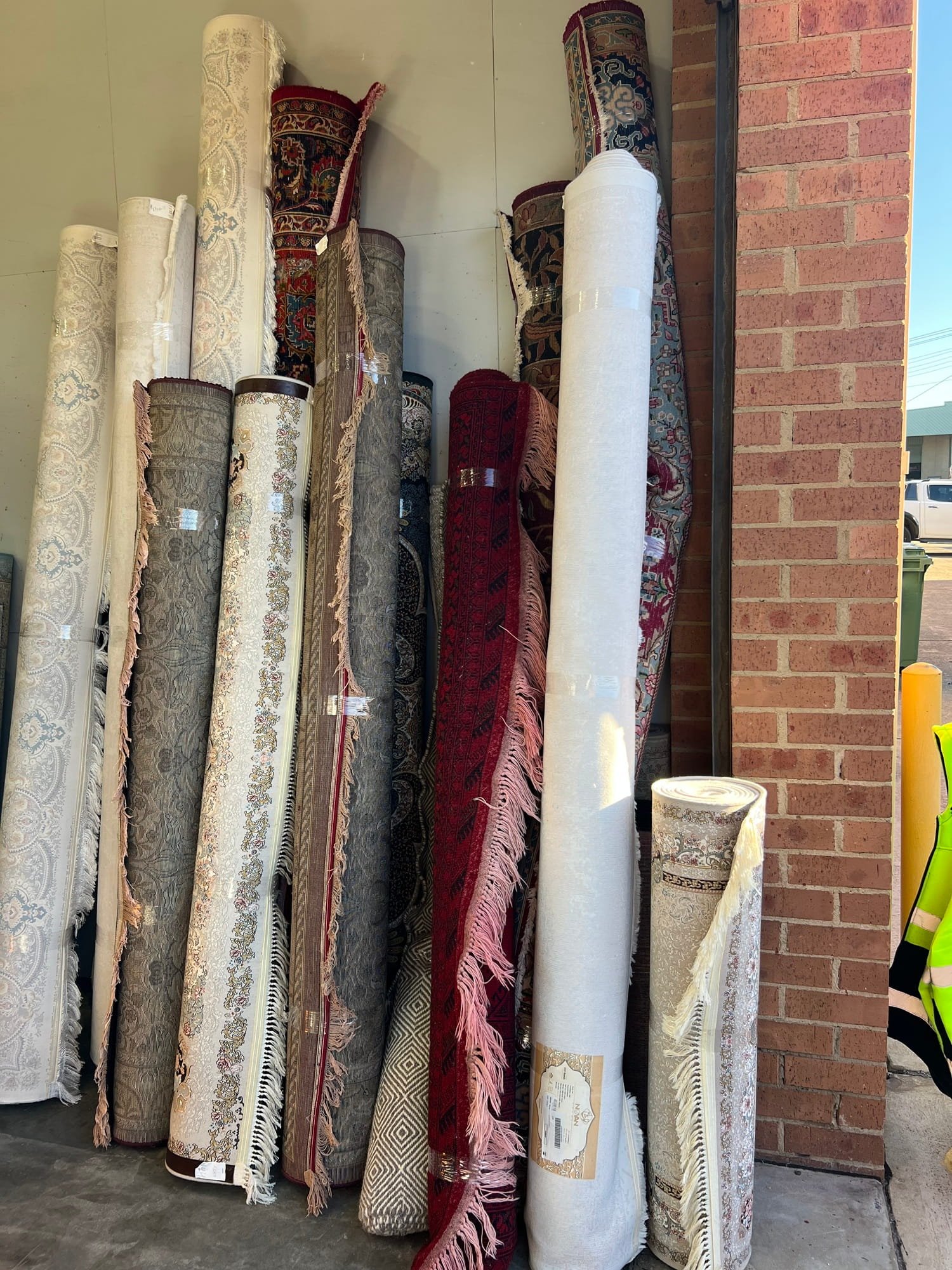
A loose fringe or a small hole can be easy to overlook when a rug is spread across the floor. The problem becomes harder to ignore when threads start coming away, or an edge begins curling upwards. Oriental rug restoration starts with identifying the damaged part and determining whether the problem is limited to the surface or has reached the rug’s foundation.
In Sydney homes, a rug’s position often explains where wear appears first. An entryway runner gets constant foot traffic, dining chairs repeatedly catch the same edges, and rugs beside large windows may fade unevenly. These everyday conditions can affect the rug long before the damage looks serious.
The repair depends on what has actually worn away. A damaged fringe may need different attention than a hole in the weave, while a loose side edge may need reinforcement before it deteriorates further. Understanding these differences helps you ask better questions and judge whether a proposed repair addresses the problem, not just its appearance.
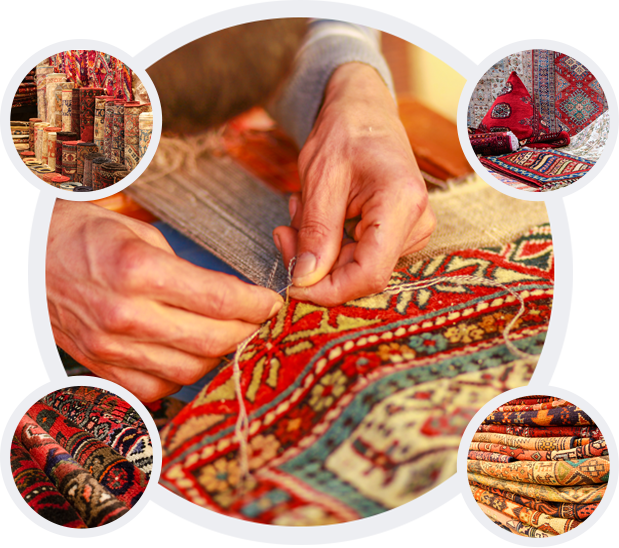
Oriental Rug Repair Sydney for Holes
A hole can begin with a snag, prolonged friction, insect damage or weakened fibres. Sometimes the pile disappears first; in other cases, the foundation breaks and the opening spreads through the weave. The right approach to oriental rug restoration depends on how much of the rug’s structure remains intact, not simply on the size of the hole.
For oriental rug repair Sydney homeowners should seek an assessment that considers the damaged section and the material surrounding it. A small opening with sound foundation threads may be repairable through localised work. If the threads have broken across a wider area, the repairer may need to rebuild the underlying structure before restoring the surface.
The replacement material should suit the original rug. Matching the colour is only part of the job: fibre thickness, texture and the arrangement of the pattern also influence how the finished section looks. This can be particularly challenging when the surrounding wool has faded, or the original colours are no longer easy to match.
Until you assess the hole, move furniture away and keep people from stepping directly on the damaged area. Avoid pulling loose threads or closing the opening with household glue. These quick fixes can distort the weave and leave less room for a proper repair.
Rug Fringe Repair Sydney: Warning Signs
Fringes are often the first part of a rug to show visible damage because their threads are exposed. On many hand-knotted rugs, they extend from the foundation rather than being a separate decorative trim. When the threads break near the rug’s body, oriental rug restoration may need to address the underlying structure as well as the visible fringe.
Watch for these warning signs:
- Uneven or shortened fringes: Threads may have snapped after repeated contact with shoes, furniture or vacuum cleaners.
- Loose threads at the base: The problem may extend into the foundation instead of remaining at the fringe tips.
- An unraveling rug end: Rows near the fringe may be separating as their supporting threads weaken.
- Signs of previous trimming: Shortened fringes can conceal the extent of earlier damage.
Rug fringe repair Sydney specialists should check the foundation before deciding how to restore the end. Attaching replacement fringe without securing weakened threads may leave the rug vulnerable to further unraveling.
Resist the temptation to trim the remaining threads into a straight line. That can remove useful material and make reconstruction more difficult. If the rug end is coming apart, limit handling until you’ve examined the damaged section.
Oriental Rug Restoration for Persian Rugs
Persian rug restoration involves more than matching a few colours. Hand-knotted rugs vary in knot structure, density, fibre quality and pattern, and these differences affect how a damaged area can be reconstructed. Two rugs with similar designs may need quite different repair methods.
The pattern can make matching difficult. A geometric design provides recognisable shapes and repeated lines, whereas a detailed floral pattern may require the repairer to reproduce small changes in colour and form. If the replacement section is too bright or its pattern sits slightly out of alignment, the repair may remain noticeable even when the structure is sound.
Material selection matters just as much. Wool, silk and cotton have different characteristics, and the replacement fibre should suit the part being repaired. A material that looks similar in a photograph may behave differently when woven into the rug. Careful oriental rug restoration accounts for these differences when selecting materials for a damaged section.
Before approving the work, ask how the repairer plans to match the original construction and whether some difference in appearance is likely. A clear explanation is particularly useful when the rug has faded over time, or the damaged section contains a complex motif.
Antique Rug Restoration Sydney: Protecting Value
An older rug does not always need every worn area rebuilt. Faded colours, softened pile and marks from previous repairs may reflect years of use. The important question is whether the rug remains stable or has damage that could spread if left untreated.
Antique rug restoration Sydney owners should consider the item’s age, construction, condition, and significance. If the rug may have substantial financial or collectible value, seek advice from a suitably experienced specialist before agreeing to irreversible changes. Careful oriental rug restoration addresses structural problems while preserving original materials wherever possible. When comparing professional rug restoration Sydney services for an older piece, consider the proposed repair method, the preservation of original materials and the condition of the rug’s foundation.
The way the rug is used also affects the decision. A family heirloom placed beneath a dining table may need a vulnerable edge stabilised, while a rug displayed on a wall may not face the same pressure and friction. In either case, you should not remove sound original material without a clear reason.
| Type of damage | Possible repair approach | What needs checking |
| Broken fringe | Secure or reconstruct affected threads | Whether the foundation remains stable |
| Hole in the rug | Stabilise and rebuild damaged sections | How much of the foundation remains intact |
| Frayed side | Repair or reinforce the edge binding | Whether damage extends into the rug body |
| Missing pile | Reweave the affected area where suitable | Pattern, fibre and colour matching |
| Widespread deterioration | Plan repairs according to condition | Structural stability and preservation priorities |
Before proceeding with Oriental rug restoration, ask for a clear explanation of the proposed work. For an older or valuable rug, it is worth understanding what will change, which original features can remain untouched and what differences may still be visible after repair.
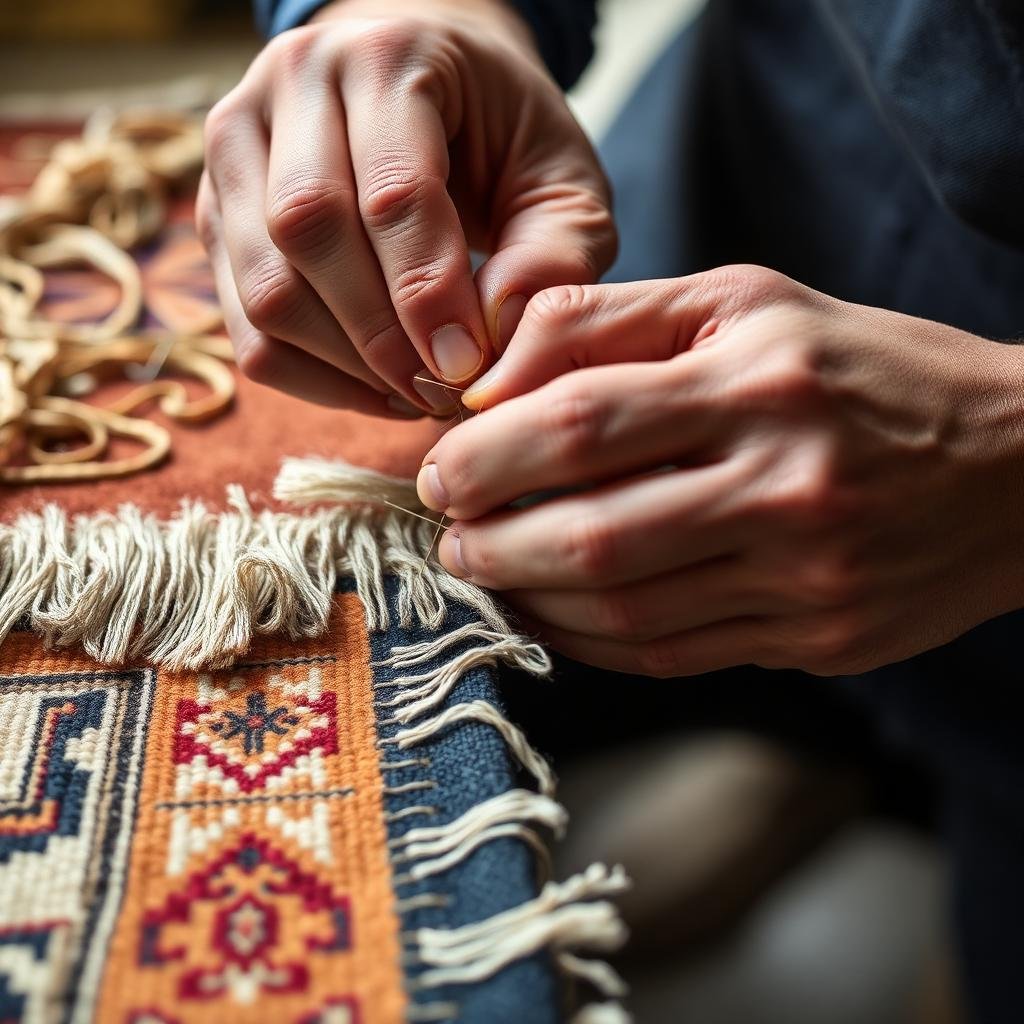
Handmade Rugs Need Different Repair Methods
Handmade rug repair starts with understanding how the rug was made. Hand-knotted rugs, flatwoven pieces, and rugs with different fibre combinations are not constructed the same way. The technique used on one type may be unsuitable for another, even when the visible damage looks similar. Oriental rug restoration should account for these construction differences before selecting a repair method.
Consider a wool runner in a busy Sydney hallway. Its pile may become compressed along the walking route, while the edge nearest the doorway begins to fray from repeated contact with shoes. One problem affects the surface; the other may involve the threads holding the rug together. Treating only one will not resolve both.
Silk rugs require particularly careful handling because fine fibres can be vulnerable to unsuitable treatment. Wool rugs vary in texture and construction, while cotton foundation threads can weaken beneath a pile that still looks reasonably intact. These differences matter when selecting repair materials and deciding how much of the rug needs rebuilding.
When comparing damaged rug repair options, ask whether the suggested work suits the rug’s construction and addresses the actual defect. Avoid glue, aggressive brushing or attempts to pull loose threads back into place. These actions can alter the weave before you properly assess the damage.
Protecting Frayed Rug Edges Properly
Side edges take repeated knocks from shoes, furniture and cleaning equipment. A vacuum head catching the same loose section several times can worsen an existing problem, while a chair dragged across the floor may pull at the binding. Once the foundation becomes exposed, the damage can move inward. Oriental rug restoration can address this deterioration by identifying whether the binding or the underlying foundation needs attention.
Rug edge binding repair addresses a weakened or damaged edge, but the work depends on what remains intact. If the binding has loosened while the foundation remains secure, a localised repair may be sufficient. Broken foundation threads can require additional work before the edge can be finished properly.
Look for these warning signs:
- Curling or wavy sides: The edge may have lost its shape because the binding or supporting threads have weakened.
- Exposed foundation threads: Structural yarns are visible beneath worn or missing binding.
- Repeated snags: Loose material catches on shoes, furniture or vacuum heads.
- Damage moving inward: The worn area extends beyond the outer edge.
When arranging a repair, lift furniture rather than drag it, and be careful when vacuuming near the affected side. If the rug sits beneath a dining table, check whether chair legs repeatedly catch the same point. Changing how the furniture moves can help prevent additional damage.
The National Archives of Australia’s guidance on preserving objects also covers the care of rugs and textiles, including precautions for handling, light exposure and storage.
When Reweaving Is Worth Considering
Reweaving is an option when a pile is missing, or the original structure has been disrupted. The repairer reconstructs the damaged section using suitable materials and a technique compatible with the existing weave. Complexity depends on the rug’s pattern, fibre, density, and the amount of missing material. Oriental rug restoration may involve reweaving when simpler repairs cannot adequately restore the damaged section.
Rug reweaving services may be appropriate for a hole or a patch where the original pile has disappeared. However, flattened fibres do not automatically require reconstruction. If the foundation remains sound, another treatment may suit better than rebuilding the section.
This distinction matters when arranging oriental carpet repair. Reinforcing a loose edge and reconstructing a hole are different jobs, with different demands on materials and workmanship. A rewoven section may also remain slightly distinguishable from the surrounding rug because of age, fading or differences in available fibres.
Ask why reweaving is being recommended and which parts of the rug will be reconstructed. The explanation should cover the condition of the foundation, the proposed materials and any limitations in matching the original pattern. That gives you a clearer basis for deciding whether the work is appropriate.
Keep Your Rug’s Character
Fringes, holes and worn edges each tell a different story about a rug’s condition. Oriental rug restoration should address what has failed, how far the damage extends and whether the surrounding material remains sound. Identifying the cause also helps owners address the conditions that contributed to the wear.
If your rug has a loose fringe, a hole or a damaged edge, contact Sydney Rug Spa to discuss the available options. Visit the Sydney Rug Spa to enquire about its rug repair and restoration services and arrange an assessment.
Common Questions About Rug Repairs
Oriental rug restoration raises practical questions about the type of repair needed, the condition of the original materials and the results an owner can reasonably expect. The answers below cover common concerns before arranging an assessment.
1. Can Oriental Rug Holes Be Repaired?
Yes, many holes can be repaired through oriental rug restoration. The method depends on whether the foundation, pile or both are damaged. A specialist can examine weakened threads and explain which reconstruction options suit your particular rug.
2. Can Missing Fringes Be Replaced?
Yes, Oriental rug restoration can include replacing missing fringes when the remaining structure allows it. If foundation threads have broken or started unravelling, they may need stabilising first to create a secure base for the replacement fringe.
3. Do Old Persian Rugs Need Restoration?
Not always. Oriental rug restoration for an older Persian rug may focus on a damaged fringe or worn edge rather than the entire piece. The decision should reflect its condition, intended use and the importance of preserving original materials.
4. How Can I Prevent Frayed Edges?
Regular care can help prevent damage between Oriental rug restoration appointments. Avoid dragging furniture across the rug, vacuum carefully near loose binding and check busy walkways regularly, particularly where shoes or chair legs repeatedly catch the same section.
5. When Is Rug Reweaving Necessary?
Oriental rug restoration may involve reweaving when a pile is missing, or damage has disrupted the rug’s structure. Loose fringe or binding may require a different technique. A specialist should examine the foundation before recommending reconstruction.
6. Can Handmade Rugs Be Restored?
Yes, Oriental rug restoration can address damage to many handmade rugs. The achievable result depends on their fibres, construction, age and condition. A specialist can identify which areas need stabilising and explain how closely repairs may match the original.